
If your SEO agency is selling you keyword density, "monthly content packages," or a retainer that doesn't show you what's broken before charging you to fix it — close this tab. This piece won't help.

For everyone else: Hyderabad SEO in 2026 is its own animal. Mumbai SEO advice doesn’t translate. Bengaluru SEO advice doesn’t translate. The way someone in HITEC City searches for a service is structurally different from how someone in Whitefield searches for the same thing — Google knows that, and ranks accordingly.
We’ve audited over 280 Hyderabad SME websites in the last 18 months. Same 10 patterns kill rankings every time. Same 10 strategies fix them. This is that list, in the order we run them on real client work.
No fluff. No “increase your traffic” promises. Just the actual moves.
Strategy 1 — Stop neglecting your Google Business Profile
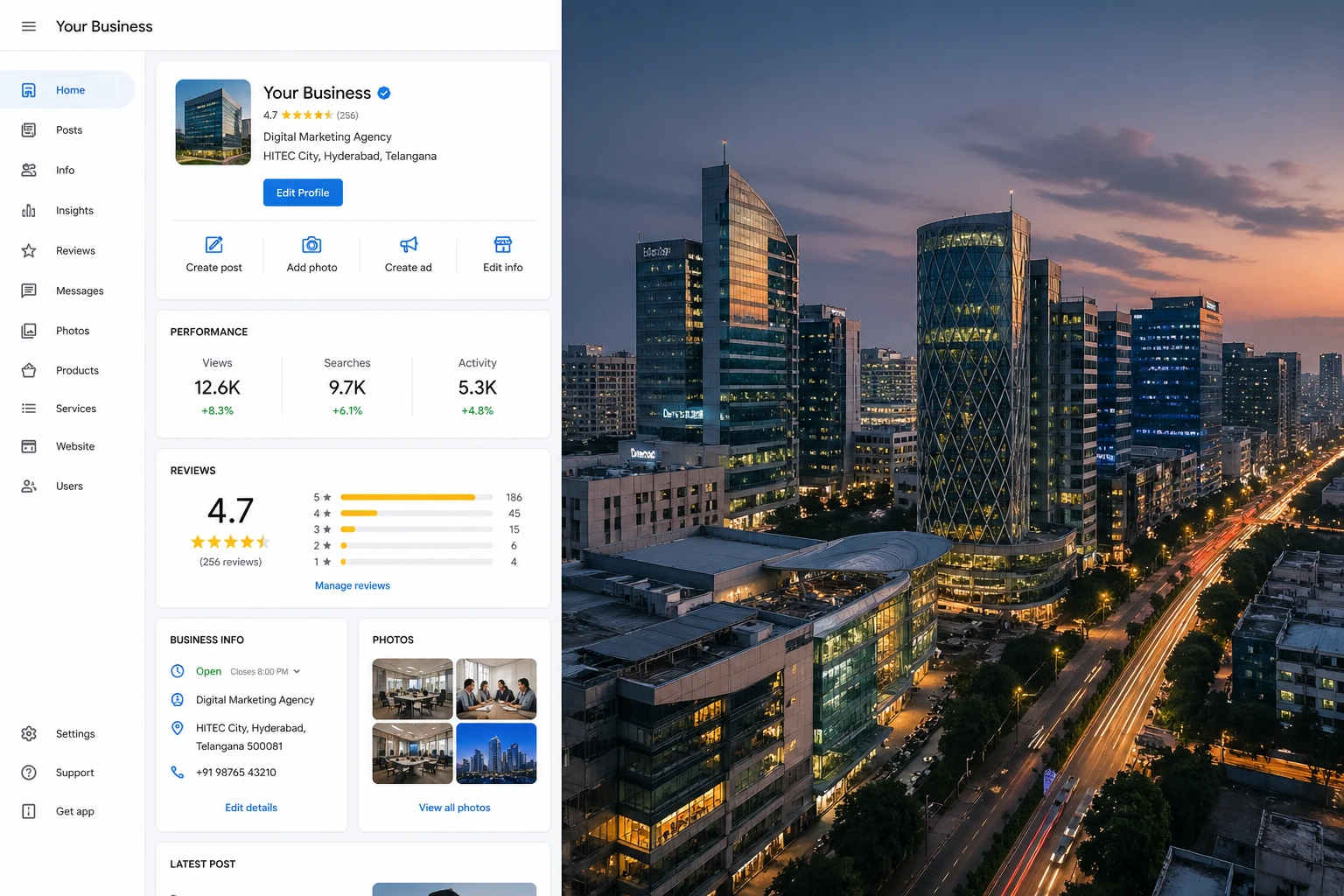
Your Google Business Profile (formerly GMB) is the single highest-leverage free asset in local SEO. Most Hyderabad SMEs we audit have 60% or more of their profile fields blank. They’re spending ₹40,000/month boosting Instagram posts to 19 likes while leaving the Google asset that drives actual phone calls completely untouched.
The fix is mechanical, not creative:
- Every category, primary and secondary, filled correctly
- All hours including holidays
- 10+ photos, all GPS-tagged to your actual location
- Q&A section seeded with the 5 questions customers actually ask
- Weekly Google Posts (offers, events, updates) — yes, they affect ranking
- Service area defined with specific Hyderabad sub-localities, not “Telangana”
A profile at 100% completion outranks a profile at 60% in the local 3-pack roughly 8 times out of 10, holding all other factors constant. The work takes 90 minutes. The compounding return is permanent.
Need an audit on yours? Free GMB audit, 5 slots this month — pulsedigimedia.com/free-seo-audit.
Strategy 2 — Build Hyderabad-intent landing pages, not generic ones
Open your homepage. Does the word “Hyderabad” appear above the fold?
If no, Google has no signal that you serve Hyderabad customers. You’re competing with national agencies on generic terms — and losing — instead of dominating local terms where the competitive set is small.
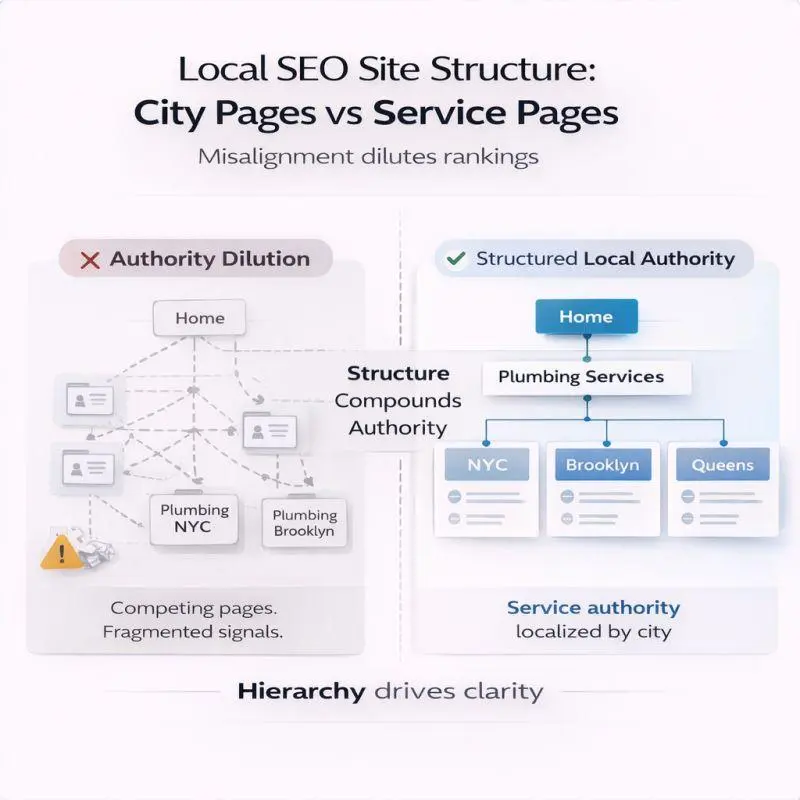
The fix: dedicated landing pages per service per locality. Not duplicate content. Not city-name-stuffing. Genuinely localised pages.
For a digital marketing agency in Banjara Hills:
- /seo-services-hyderabad/
- /seo-services-banjara-hills/
- /seo-services-hitec-city/
- /seo-services-gachibowli/
- /seo-services-jubilee-hills/
Each page mentions the locality 4-6 times naturally, references nearby landmarks (KBR Park, Inorbit, Cyber Towers), uses local case studies, and has its own H1 and meta title. We’ve seen sites jump from page 4 to page 1 inside 90 days on this single change.
Locality-specific pages also stack — a strong /banjara-hills/ page lifts the parent /hyderabad/ page through internal authority flow.
Strategy 3 — Fix Core Web Vitals before you write another blog post
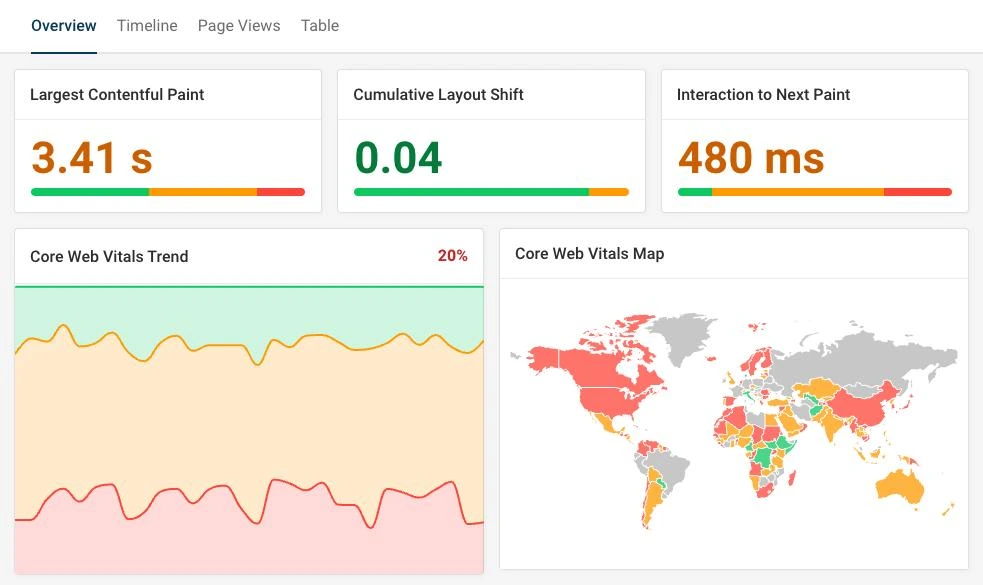
Hyderabad runs predominantly on mobile 4G. Your beautifully designed website that loads in 1.2 seconds on the office Wi-Fi takes 7.4 seconds on a Jio connection in Kompally during evening peak. Google measures the second number, not the first.
Three Core Web Vitals to track in PageSpeed Insights:
- LCP (Largest Contentful Paint): under 2.5 seconds
- INP (Interaction to Next Paint): under 200ms
- CLS (Cumulative Layout Shift): under 0.1
For most Hyderabad SME sites built on WordPress with a generic page builder, the killers are: bloated theme code, hero images served at 4MB instead of 200KB, and a stack of marketing scripts (Tag Manager, Hotjar, Facebook Pixel, three live-chat widgets) firing all at once.
Audit, prioritise, fix. Then, and only then, invest in content. Publishing on a slow site is like advertising a great restaurant with no parking — the demand exists, the experience kills it.
Strategy 4 — Deploy schema.org the right way
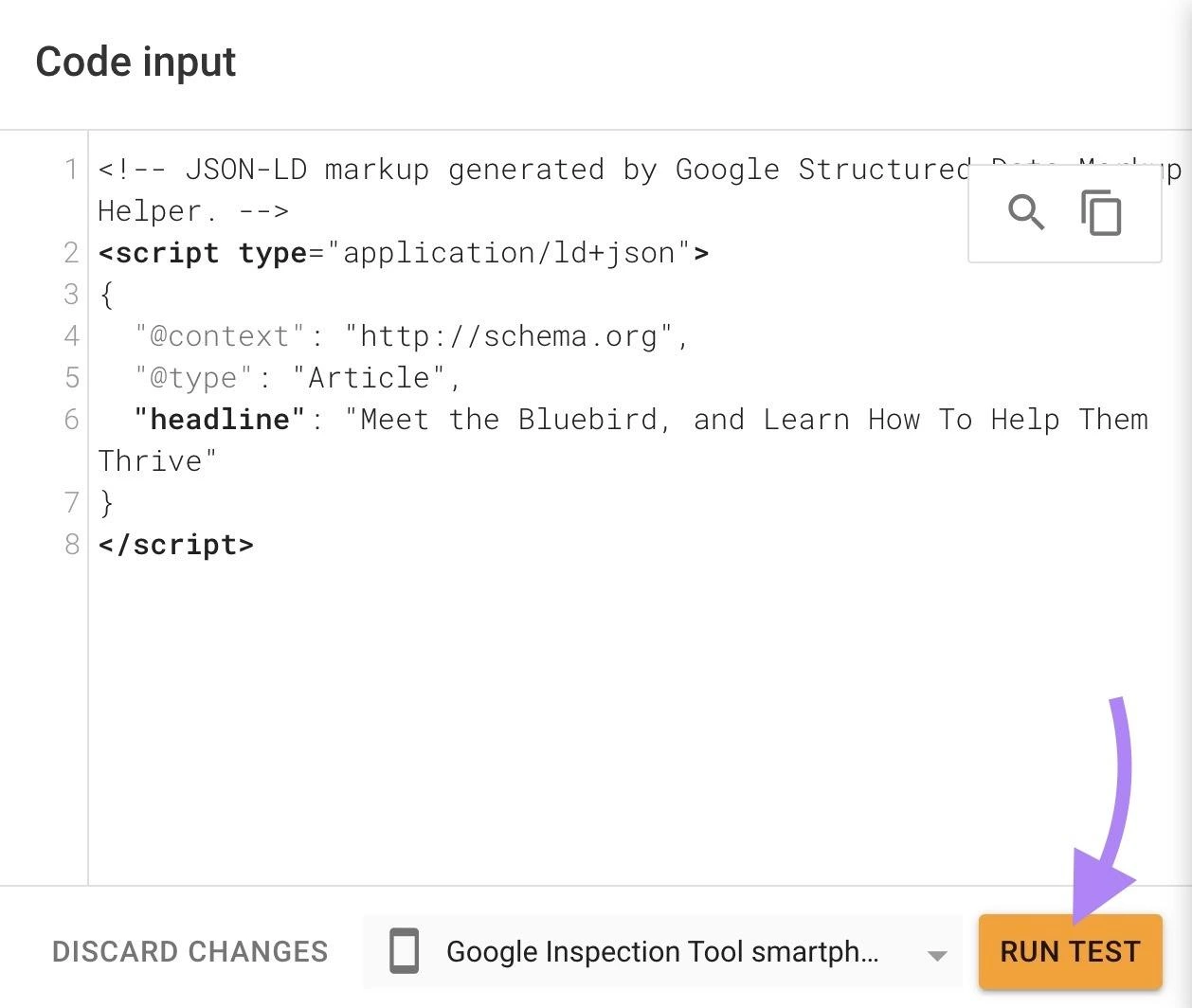
Schema is structured data — about 12 lines of code per page that explicitly tells Google what your business does, who you are, and what each page contains. Hyderabad competitors with schema implemented correctly outrank competitors without it consistently, even when the latter has more backlinks.
For a Hyderabad service business, the priority schema types are:
- LocalBusiness schema with full address, geo coordinates, opening hours
- Service schema for each service page
- FAQ schema on every page with a Q&A section
- Review schema where genuine customer reviews exist
- Organisation schema with sameAs links to LinkedIn, Justdial, IndiaMART
Validate every implementation on Google’s Rich Results Test before going live. Broken schema is worse than no schema — it can trigger manual review penalties.
This is a one-time technical lift with permanent payoff.
Strategy 5 — Build a review velocity system, not a review request blast
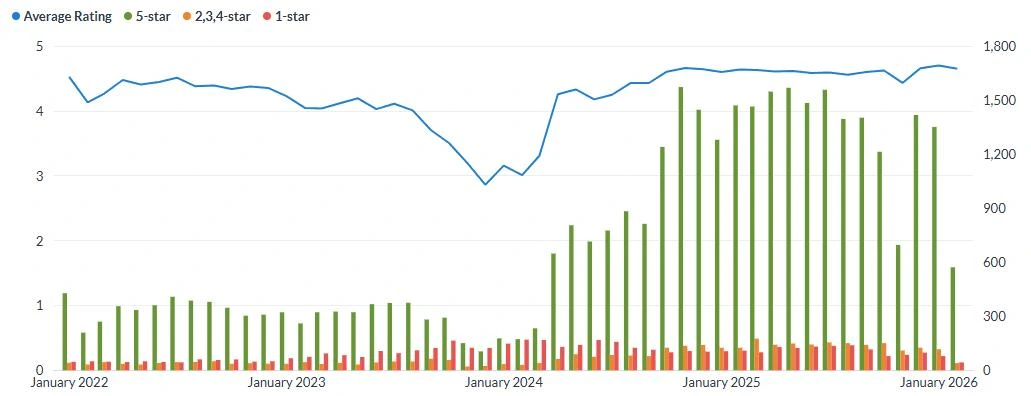
Every Hyderabad SME we work with has the same wrong instinct: blast 200 customers with review requests once, get 40 reviews in two weeks, then go quiet. Google’s ranking algorithm penalises this — the recency and consistency of reviews matters as much as the volume.
The system that actually works:
- One review request per closed customer, sent 48 hours after service delivery
- A direct Google review link (not “search for us”) in the request
- A simple two-question SMS or WhatsApp follow-up if no response in 5 days
- Public reply to every review within 24 hours, mentioning the service or product by name (this becomes ranking-relevant text)
Aim for one new genuine review per week, every week. A business with 80 reviews accumulated steadily over 18 months outranks one with 200 reviews accumulated in a single quarter, every time.
Strategy 6 — Build local backlinks from sources Google actually trusts
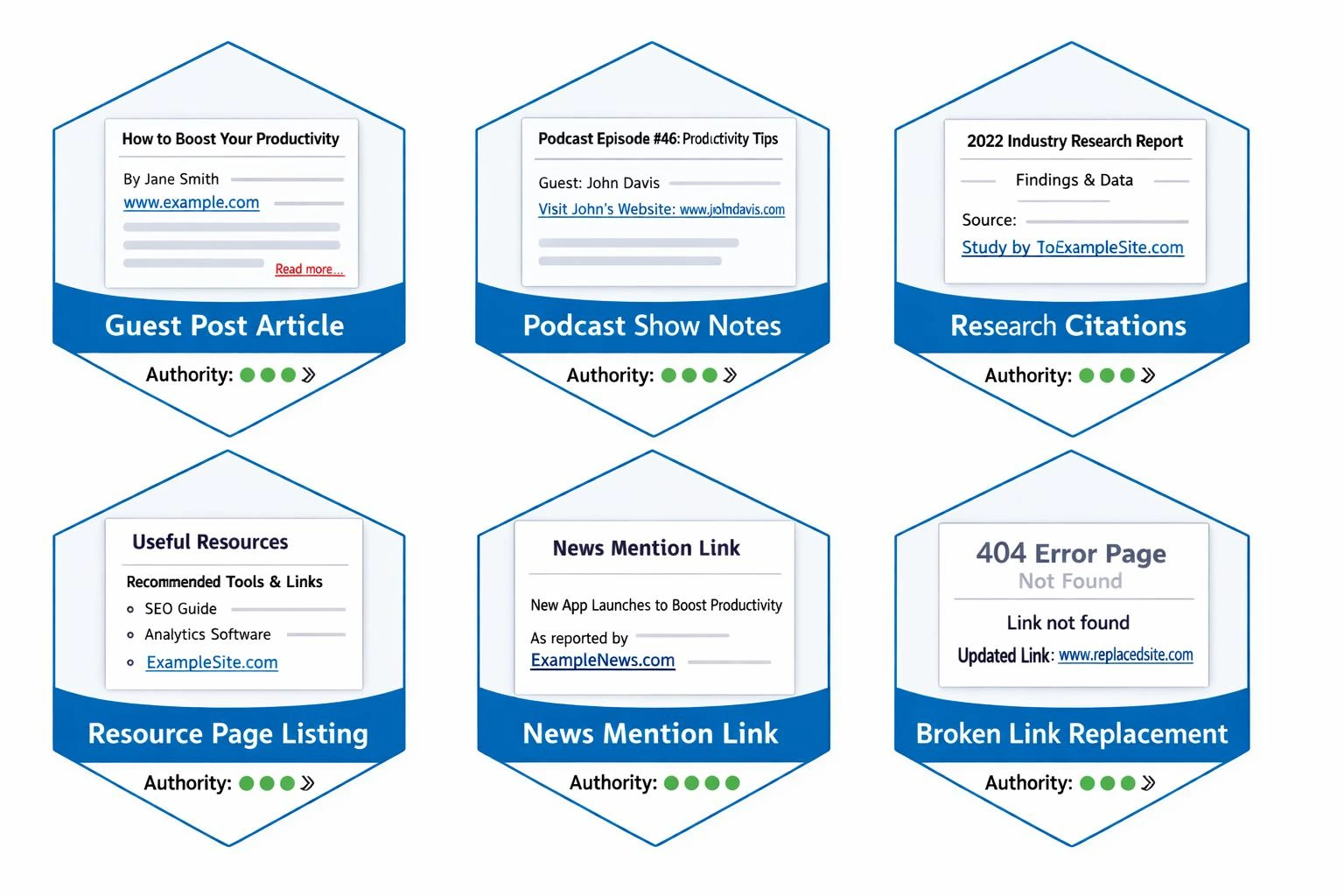
Most Hyderabad SMEs come to us with a “backlink profile” of 30-40 directory submissions and a couple of unpaid quote-sites. None of them help. Some hurt.
What works in 2026:
- Hyderabad publications — Telangana Today, Deccan Chronicle, TheNewsMinute, The Hindu Hyderabad supplement. One genuine business mention with a backlink is worth 50 directory submissions.
- Industry associations — FTAPCCI, HYSEA, CREDAI Hyderabad chapter, depending on your sector
- Educational institutions — IIIT Hyderabad, ISB alumni networks if relevant. Real partnerships, not link-buying.
- Charity and CSR — sponsor a real Hyderabad cause, get a backlink from their site
- Local podcasts — Hyderabad has 4-6 active business podcasts in 2026. Be a guest on one per quarter.
- Niche directories — Justdial Hyderabad and Sulekha local matter for citation NAP consistency, not for raw link juice
Quality is roughly 100x more important than quantity. One DR-50+ Hyderabad newspaper backlink moves the needle more than 50 generic directory links.
Strategy 7 — Build topical authority, not keyword density
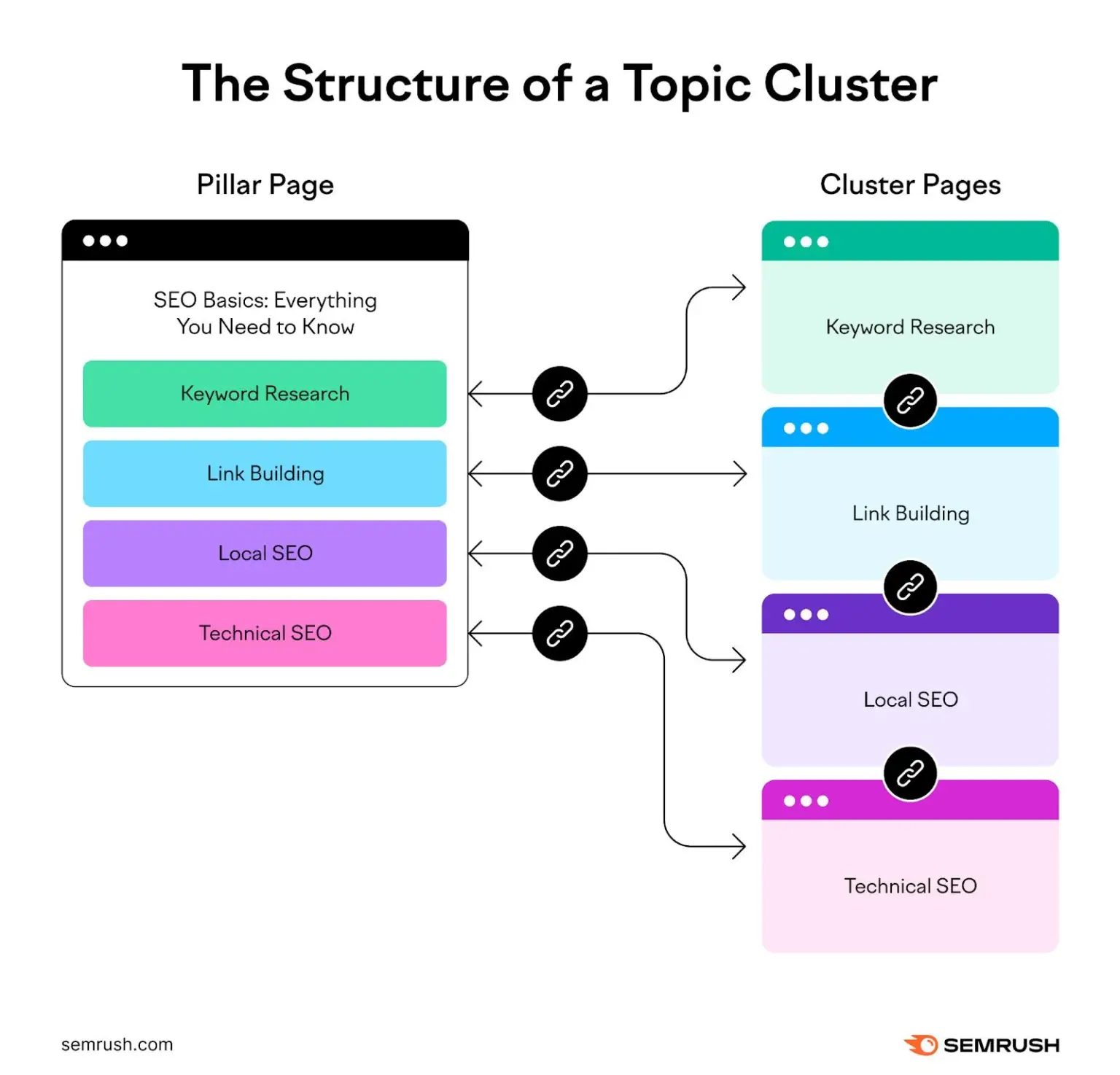
The 2010s SEO playbook said: pick a keyword, repeat it. The 2026 reality is that Google ranks topical depth — does your site demonstrate genuine expertise across the cluster of topics around your primary service, or does it have one thin page chasing each keyword?
For a Hyderabad SEO agency, topical authority means publishing on:
- Local SEO (multiple pieces, different angles)
- Technical SEO (Core Web Vitals, schema, crawlability)
- Content strategy (search intent, topic clusters, content decay)
- Link building (local, ethical, white-hat)
- Tools and audits
- Industry-specific applications (SEO for healthcare, real estate, hospitality, edtech)
Each piece interlinks to relevant siblings. The cluster, taken together, signals expertise. Google’s E-E-A-T framework explicitly rewards this in 2026.
The trap: writing 10 thin “5 SEO tips” listicles. The fix: writing 3 deep, definitive pieces with clear internal linking. Less, but better.
Strategy 8 — Optimise for voice search and "near me" queries

Roughly 65% of mobile searches in Hyderabad in 2026 end with “near me” or are voice-driven [DATA VERIFICATION NEEDED — confirm 2026 percentage]. Your SEO has to work for natural-language, conversational queries — not just typed keyword strings.
The practical implementation:
- Question-based H2 headings — “How much does SEO cost in Hyderabad?” not “SEO Pricing”
- Featured-snippet-optimised answer paragraphs — 40-60 word answers immediately under the question
- Long-tail conversational keyword targeting — “best SEO company in Banjara Hills for restaurants” not “SEO Banjara Hills”
- GMB Q&A section seeded — Strategy 1’s tactic again, this time tuned for voice queries
- Mobile-first design assumed, not added — every page tested on a slow Android phone, not a flagship iPhone
Voice and “near me” optimisation is not a separate SEO motion. It’s the default mode for 2026 — anything else is legacy thinking.
Strategy 9 — Use AI for research, never for the final draft
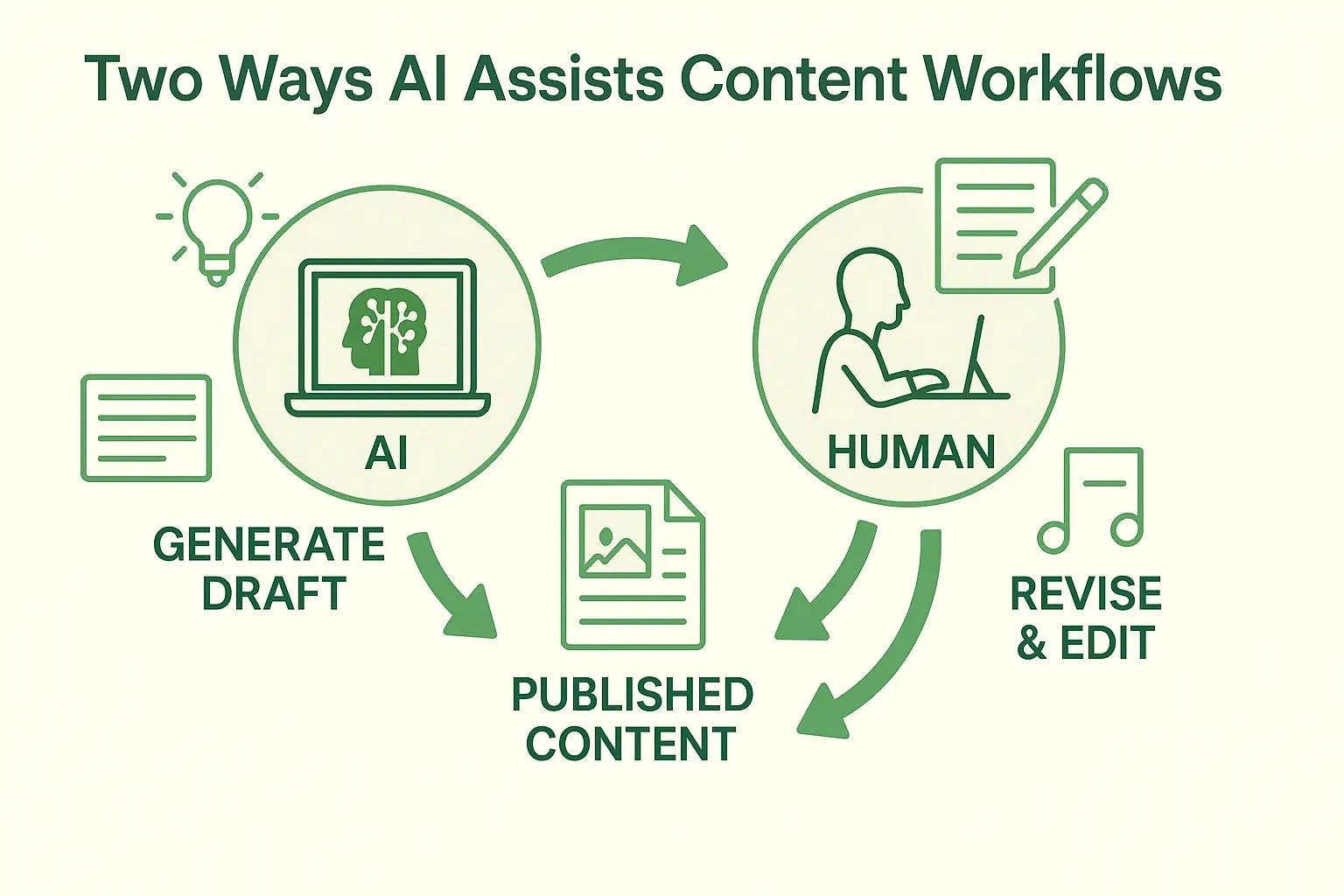
The single fastest way to lose rankings in 2026 is to publish unedited AI-generated content. Google’s algorithm — and increasingly its raters — can identify AI-cadenced prose with high accuracy. Sites flagged for low-quality AI content lose rankings in weeks, not months.
What works: AI as a research and outlining tool. Real human writers — or AI drafts heavily edited by a domain expert — for the published version.
The Pulse Method workflow:
- Keyword research and SERP analysis (AI-assisted, human-validated)
- Outline draft (AI-generated, expert-edited)
- First draft (AI-generated, fact-corrected, voice-rewritten)
- Humanisation pass (entirely human — adds local references, real client examples, sentence-rhythm variance, contrarian asides)
- SEO and schema layering (technical, partly tooled)
- Final QA and publish
The output is faster than pure-human writing and infinitely better-ranking than pure-AI writing. That’s the productive equilibrium for SEO content in 2026.
Strategy 10 — Measure monthly. Decide quarterly. Pivot annually.
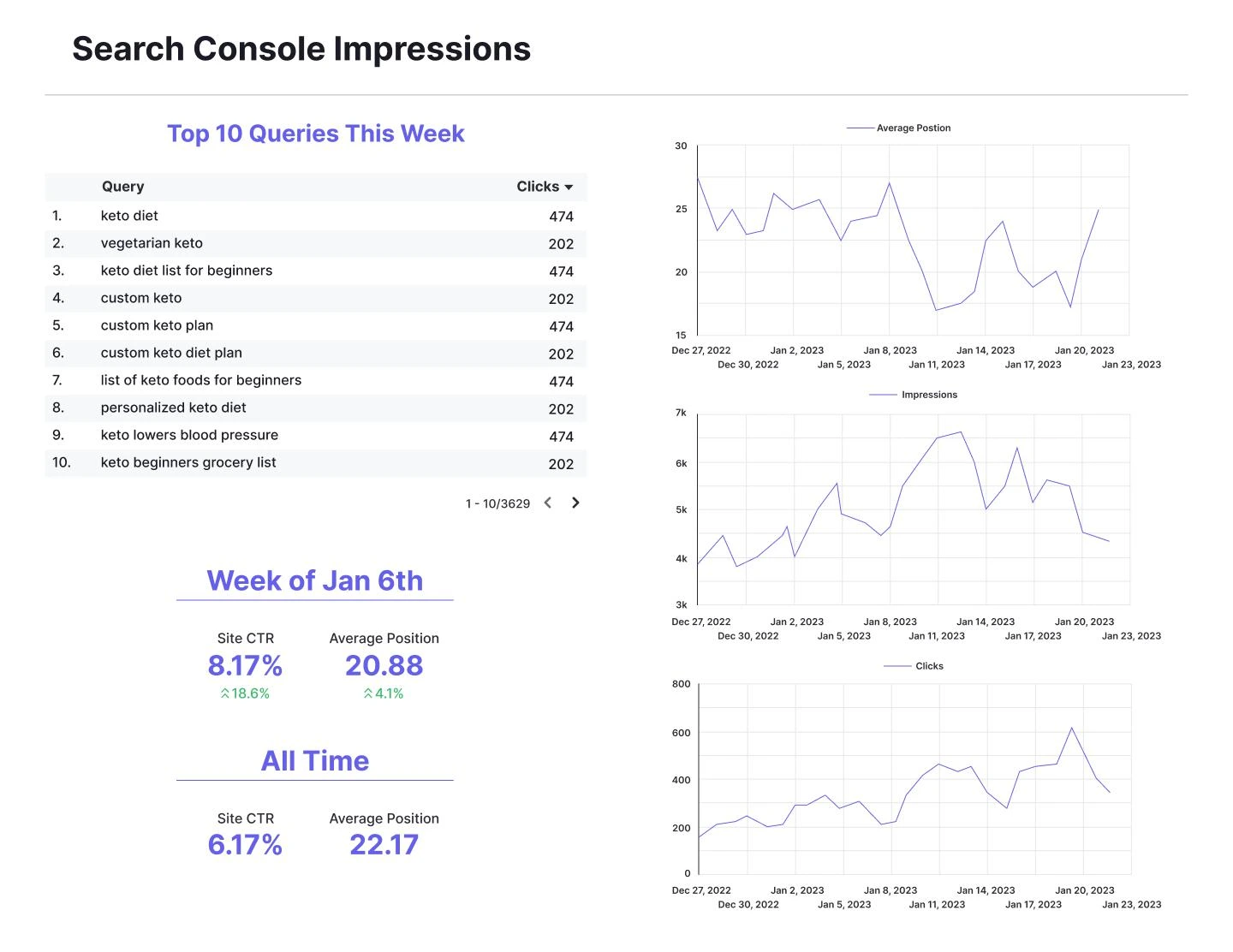
What gets measured gets ranked. The Hyderabad SME owners who consistently win at SEO are the ones who look at the same dashboard every month, not the ones who check rankings frantically every Wednesday.
The right cadence:
- Monthly: position changes on top 25 tracked keywords, organic traffic delta, conversion rate from organic
- Quarterly: content performance review, technical health audit, backlink profile audit
- Annually: full keyword strategy reset, competitor analysis, site architecture review
The wrong cadence: panicking on weekly fluctuations, refreshing Search Console every morning, chasing every algorithm update tweet. SEO is months-long compounding work. Match your decision cadence to the data cadence.